Nourishing Lives

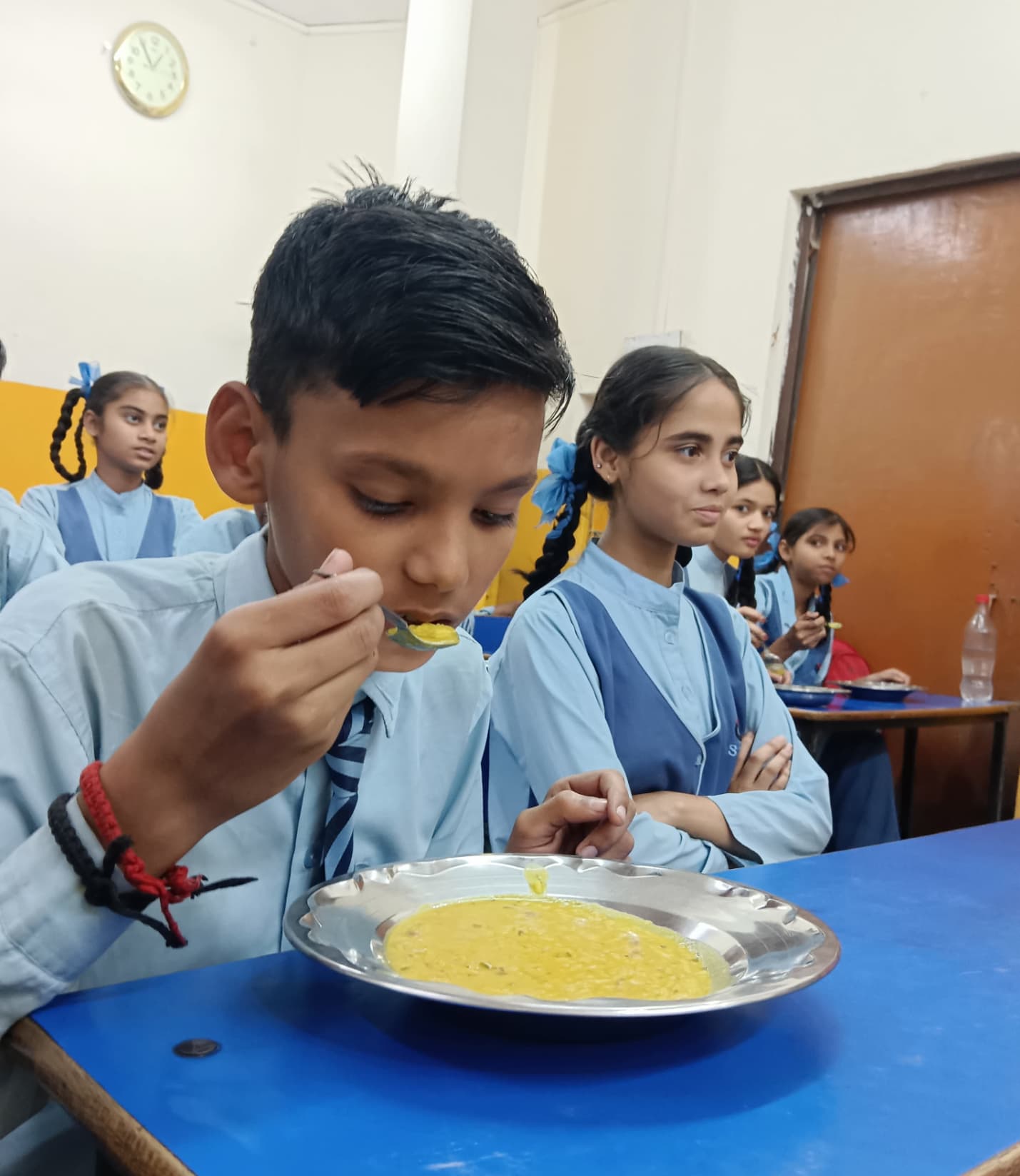
Rise Against Hunger India is driven by the belief that nourishment is the first step toward lasting change, and we are committed to reaching those who need it the most. We serve vulnerable groups including orphans, low-income groups, persons with disabilities, people affected by chronic illnesses, pregnant and lactating mothers, destitute children, and abandoned senior citizens with fortified meals. While communities work toward a future in which they can thrive, vulnerable families and individuals around the globe still have basic, immediate needs.

That's why Rise Against Hunger India supports programs that provide nourishment, healthcare training, drinking water facilities, training of caregivers and other services that support the difficult journey out of poverty. Because true nourishment means more than meals; it requires knowledge, care, and a healthy environment to thrive. For many, a meal makes the difference between surviving and truly living. Our efforts are strengthened by partnerships with Corporates, Academic Institutions, and Civic Groups who support us as volunteers and through their generous donations to pack these meals. One in three people worldwide are adversely affected by vitamin and mineral deficiencies. Rise Against Hunger India meals, packaged by volunteers, are designed to provide a comprehensive array of micronutrients. Rise Against Hunger India meals include enriched rice, dal (legume) protein, dried vegetables and 20 essential vitamins and nutrients.
Initiatives

Mother and Child Health

Mother and Child Health and Nutrition Program

Maternal nutrition is a vital component of women's health, especially during critical stages such as preconception, pregnancy, and lactation. Inadequate nutrition during these periods can lead to adverse pregnancy outcomes and impact the health and development of both mother and child.

Rise Against Hunger India recognizes the urgent need to address maternal malnutrition and has launched targeted interventions to support women in underserved communities. The initiative has been expanded to nine rural districts across Odisha, Jharkhand, Bihar, and Chhattisgarh regions characterized by remoteness, limited access to health services, and high rates of malnutrition and anaemia.

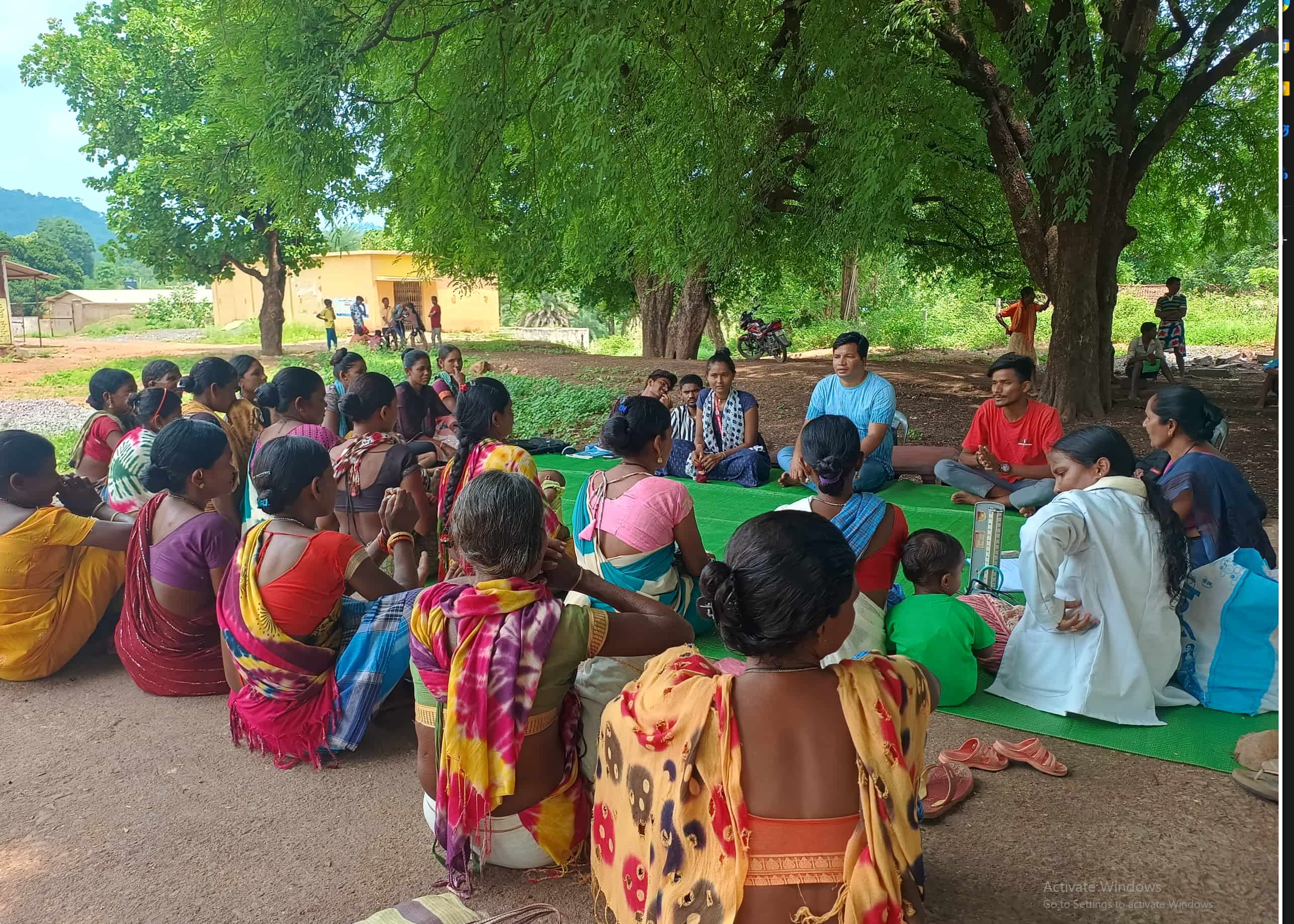
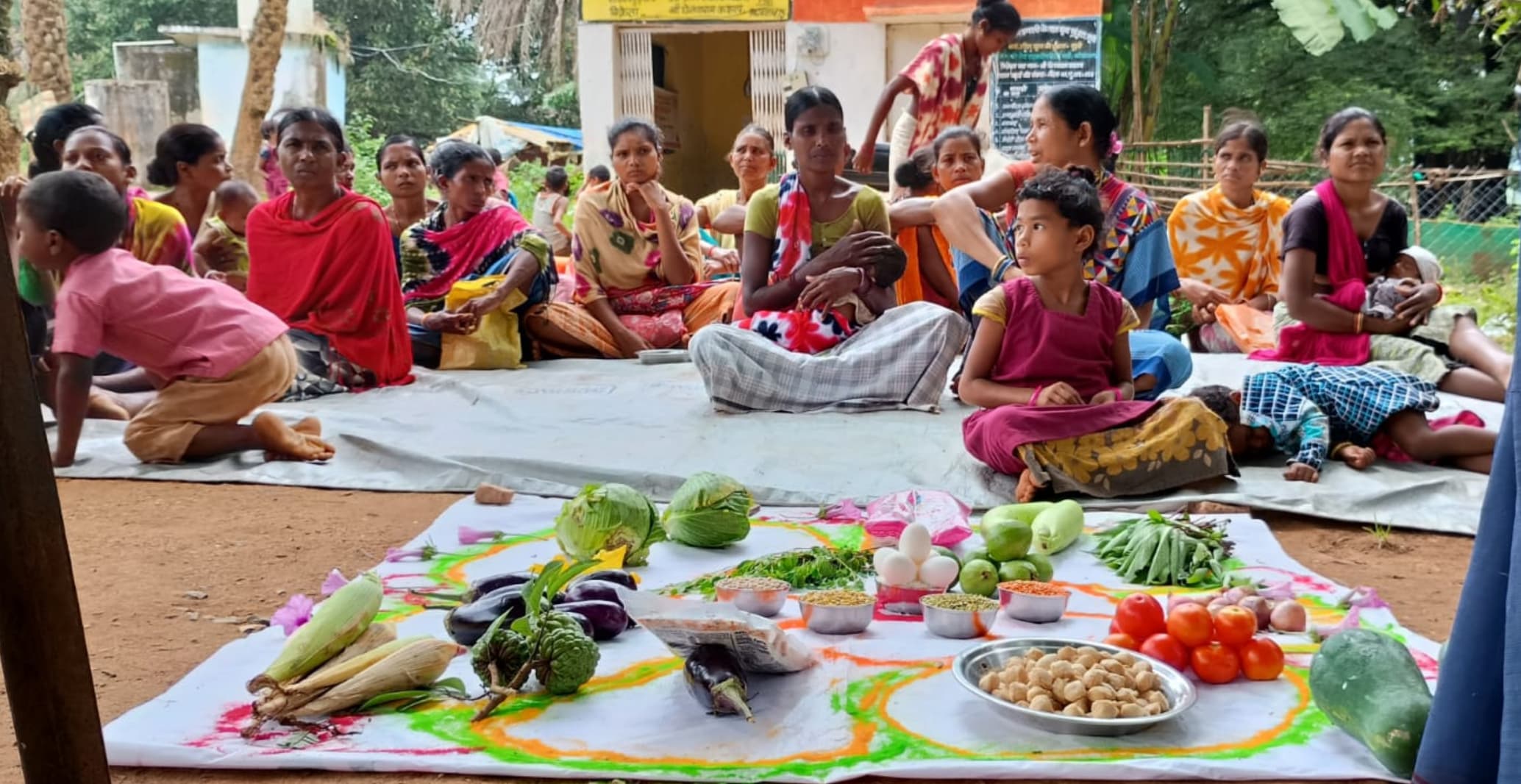
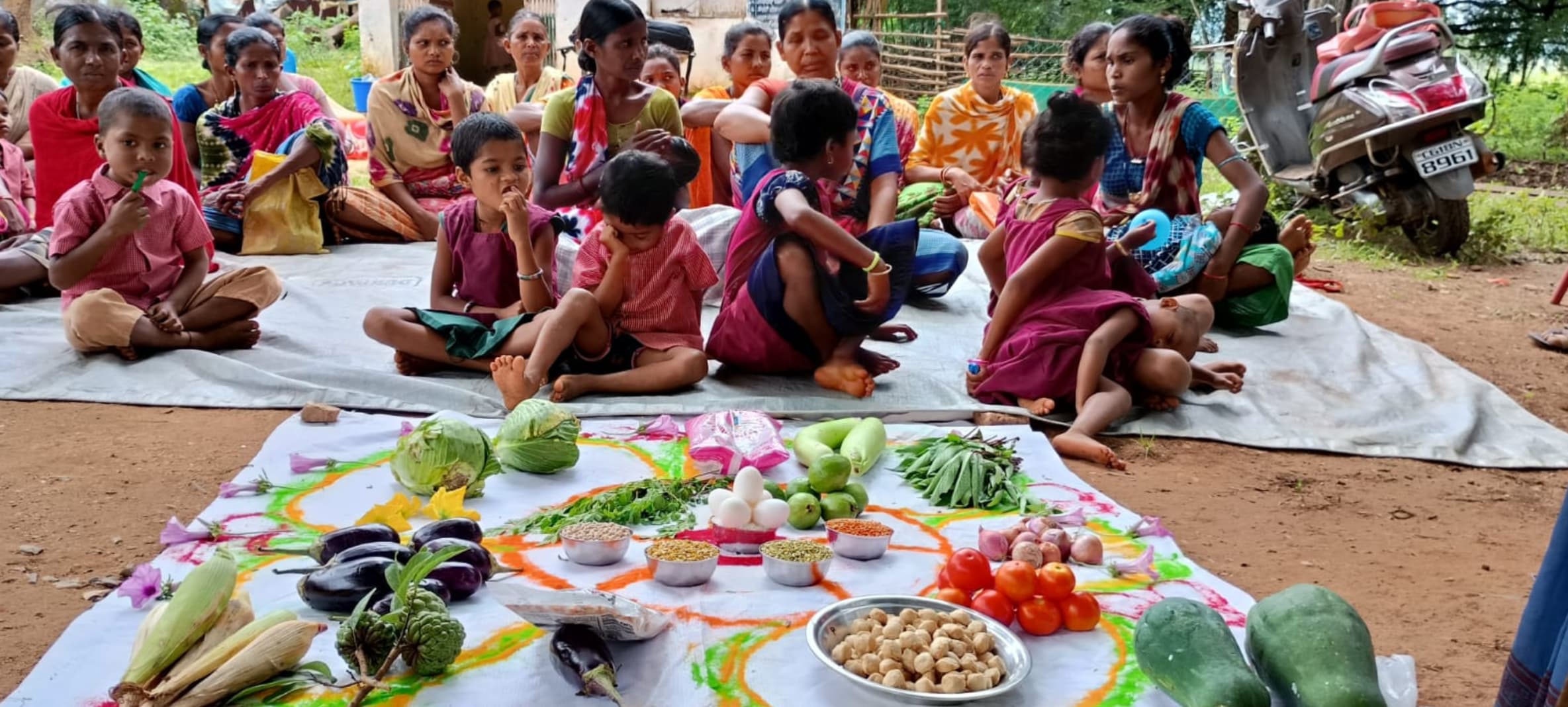
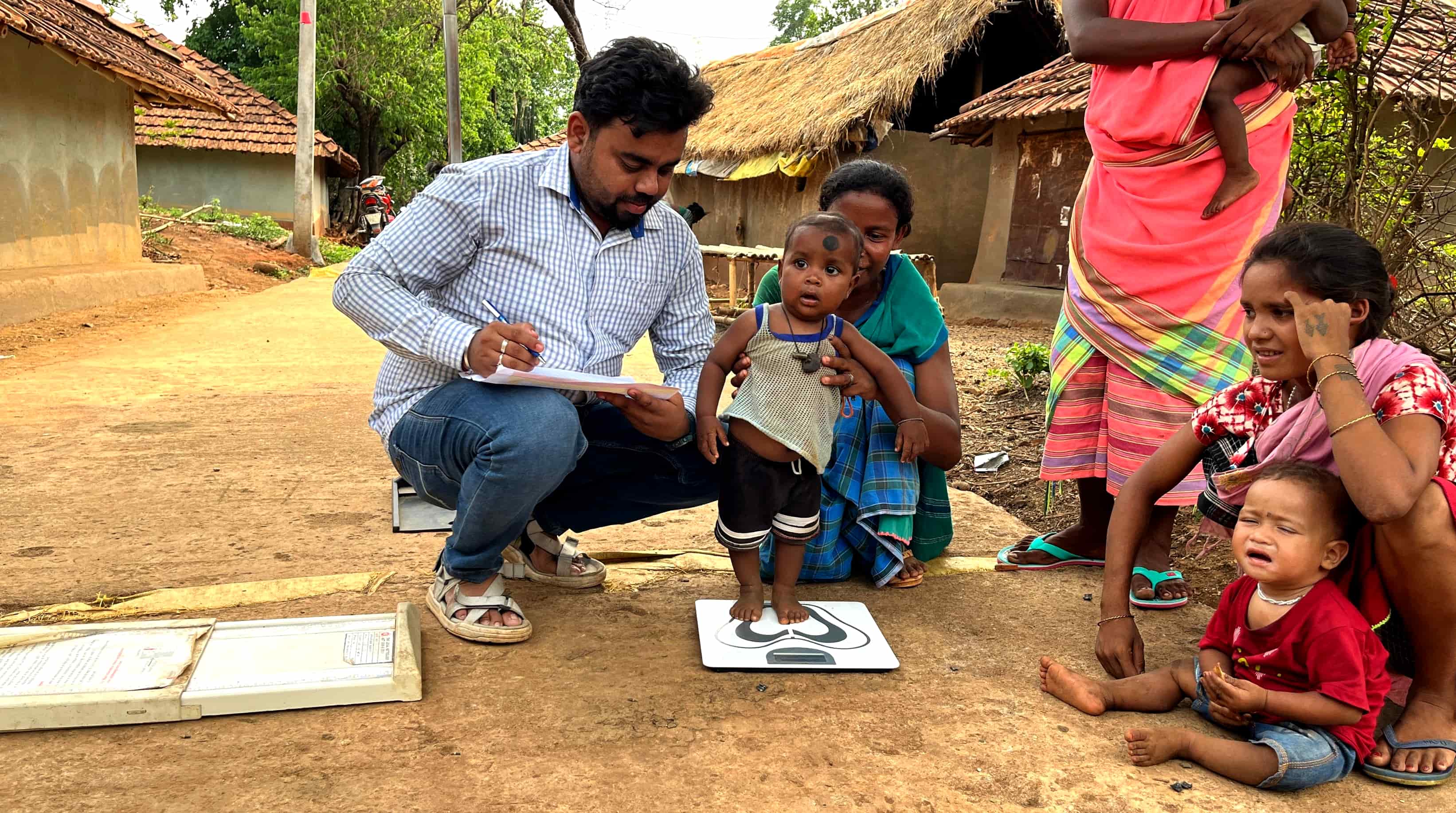
The program identified pregnant women, lactating mothers, and children aged 7 to 24 months as key beneficiaries. Nutritional support is provided through 64 Community Kitchen Centres, offering nutritious meals alongside counselling sessions, basic health checkups, and referrals for critical cases. To date, the initiative has supported 1,470 women and children. Maternal nutrition is a vital component of women's health, especially during critical stages such as preconception, pregnancy, and lactation. Inadequate nutrition during these periods can lead to adverse pregnancy outcomes and impact the health and development of both mother and child.

Rise Against Hunger India recognizes the urgent need to address maternal malnutrition and has launched targeted interventions to support women in underserved communities. The initiative has been expanded to nine rural districts across Odisha, Jharkhand, Bihar, and Chhattisgarh—regions characterized by remoteness, limited access to health services, and high rates of malnutrition and anaemia.

The program identified pregnant women, lactating mothers, and children aged 7 to 24 months as key beneficiaries. Nutritional support was provided through 64 Community Kitchen Centres, offering nutritious meals alongside counselling sessions, basic health checkups, and referrals for critical cases. To date, the initiative has supported 1,470 women and children.

These centres are run by 128 trained Community Resource Persons, and 12 smokeless stoves have been installed to promote safer and healthier cooking environments.

  • 64

    Community Kitchen

  • 1,470

    Women & Children

  • 128

    Trained Community Resource Persons

Fortified Meal Program

Meals For Development (M4D)

The implementation of M4D initiatives has progressed effectively, contributing to community development in multiple locations. Infrastructure improvements were carried out to enhance accessibility and resource availability under a unique initiative called Meals for Development (M4D).

In response to the growing need for sustainable water solutions, efforts were undertaken to establish and renovate various drinking water sources. This initiative focused on open wells, handpumps, water points, stream water sources, and borewell platforms, ensuring that local residents can avail clean and accessible water.

  • Construction and renovation of open wells

    282

    Households benefiting

    1269

    Individuals

  • Restoration of handpumps and water points

    319

    Individuals

    71

    Households

  • Upgrading stream water collection points

    19

    Households

    75

    Individuals

  • Rehabilitation of borewell platforms

    160

    Individuals

    35

    Households in two villages.

  • Water Conservation Infrastructure

    35

    Households

    158

    Individuals

  • Drainage Construction

    23

    Households

    103

    Individuals

  • 45 Students

    School Facilities Renovation- school toilet has been refurbished ensuring improved sanitation and hygiene standards

Safety Net Program

Safety Net Programs

Under Safety Net initiative, we have supported 2022 vulnerable individuals with 19,36,224 fortified nutritious meals under safety net initiative, ensuring improved dietary intake and access to essential nutrients for better health outcomes. As a partner of the Pradhan Mantri TB Mukt Bharat Abhiyaan, we provided 7,61,400 nutritious meals to 901 TB patients across four states, helping them meet nutritional needs critical for recovery.

  • 19,36,224

    Fortified nutritious meals

  • 7,61,400

    Nutritious Meals to 901 TB patients

Safety Net Program

Healthcare & Nutrition Support

To promote accessible healthcare and raise awareness within the community, health camps were organized across Gopikanar, Chandan, and Boarijor blocks. These camps aimed to provide essential medical services, including general health check-ups, consultations, and preventive care measures, ensuring that individuals received the necessary support for their well-being. Gopikanar hosted two camps, benefiting 171 participants. In Chandan block, 105 individuals accessed the services, while Boarijor block recorded an attendance of 103 people. These health camps served as crucial interventions, fostering a culture of health consciousness while improving access to essential medical care within these communities.

The above-described interventions successfully addressed critical issues related to health, nutrition, hygiene, and education across targeted regions. The active participation of communities and the collaboration of local stakeholders significantly contributed to the program’s effectiveness and outreach. Continued efforts will focus on scaling up successful models and ensuring long-term impact through community ownership and sustainability strategies.

Equipment support was successfully provided to 09 Community Health Centers (CHCs), 04 Primary Health Centers (PHCs), 03 Health Wellness Centers (HWC) and a District Hospital to strengthen healthcare services and improve patient care. This initiative aimed to enhance medical infrastructure by supplying essential equipment such as diagnostic tools, maternity care devices, and emergency response kits, ensuring better accessibility to quality healthcare for local communities.

  • 171

    Gopikanar hosted two camps Participants

  • 105

    Chandan block individuals accessed the services

  • 103

    Boarijor block recorded an attendance

Safety Net Program

Water, Sanitation, and Hygiene (WASH)

Malnutrition is often aggravated in communities with inadequate sanitation facilities and limited access to clean water, leading to a higher prevalence of waterborne diseases. Rise Against Hunger India is addressing these challenges by enhancing WASH infrastructure, providing access to safe drinking water, and promoting improved hygiene practices.

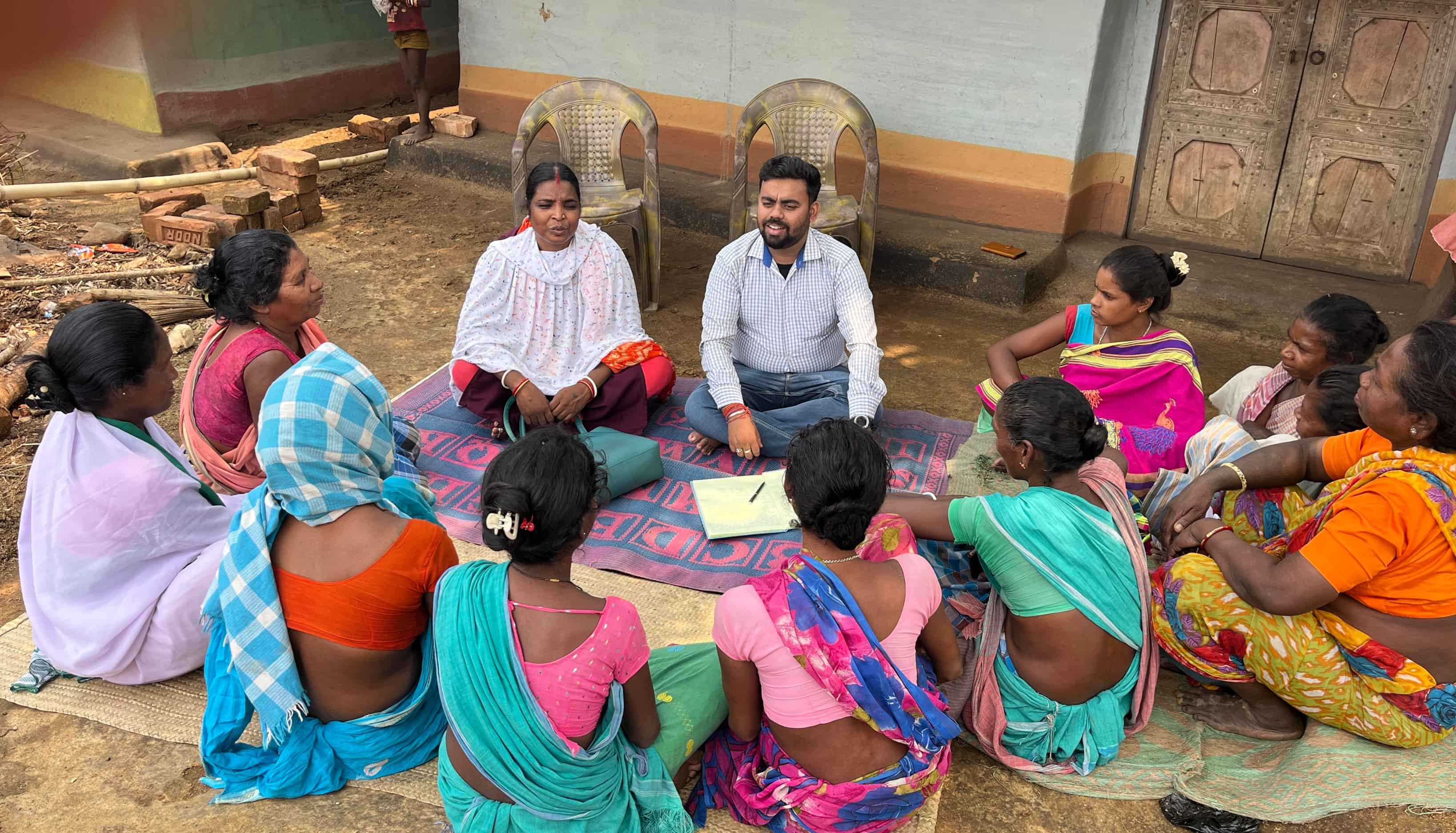
To date, over 5,700 individuals across 64 villages have benefited from sanitation and hygiene awareness drives. Community-Led Total Sanitation (CLTS) activities have helped improve sanitation conditions for 540 households.

In Odisha, 760 children learned proper handwashing practices through school and Anganwadi-based sessions. Under the Meal Plus program, a water purifier installed at a school in Mumbai now ensures safe drinking water for 400 students, while a kitchen garden in Hyderabad supports the nutrition of 100 girl children.

Additionally, under the M4D (Meals for Development) program, 18 water and sanitation infrastructures have been created, expanding access to clean water and improved hygiene in underserved communities.

  • 5,700

    Individuals benefited

  • 64

    Villages have benefited

  • 18

    Water and sanitation infrastructures

  • 760

    Children learned proper handwashing practices