Our Values

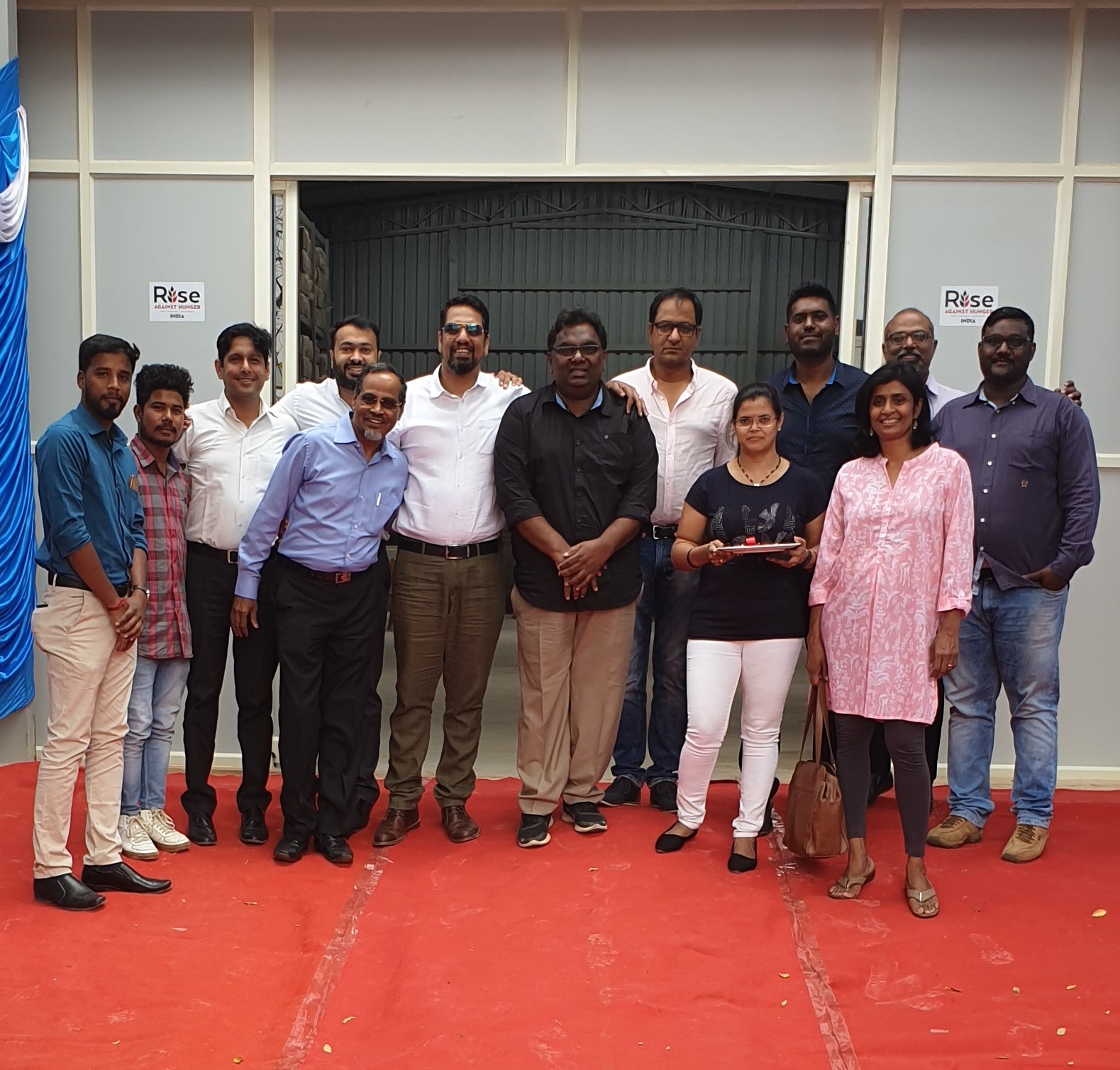
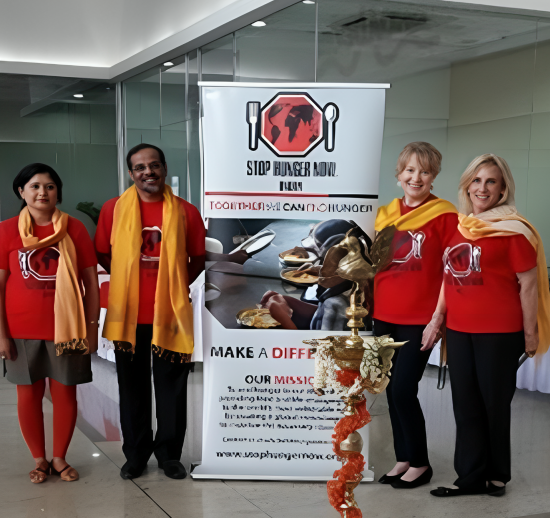
Rise Against Hunger India (RAH India) is a non-profit dedicated to ending hunger and malnutrition in India by 2030. Globally founded in 1998 as Stop Hunger Now, we launched in India in 2014, began operations in 2015, and became Rise Against Hunger India in 2017.
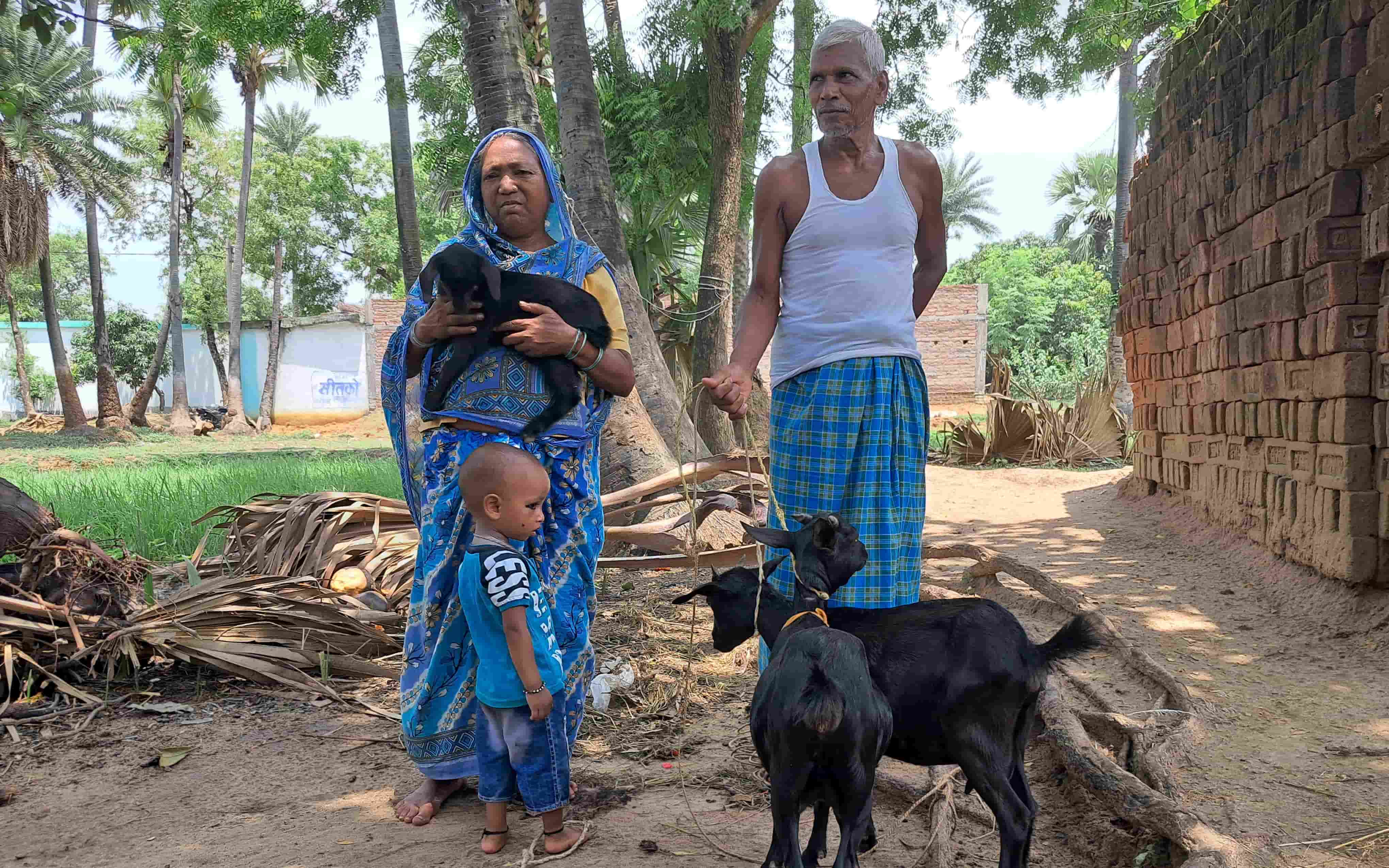
We serve vulnerable communities with nutritious meals while also tackling hunger at its roots. Through programs in sustainable farming, livestock, business skills, and market access, we empower families to achieve lasting food and nutrition security.
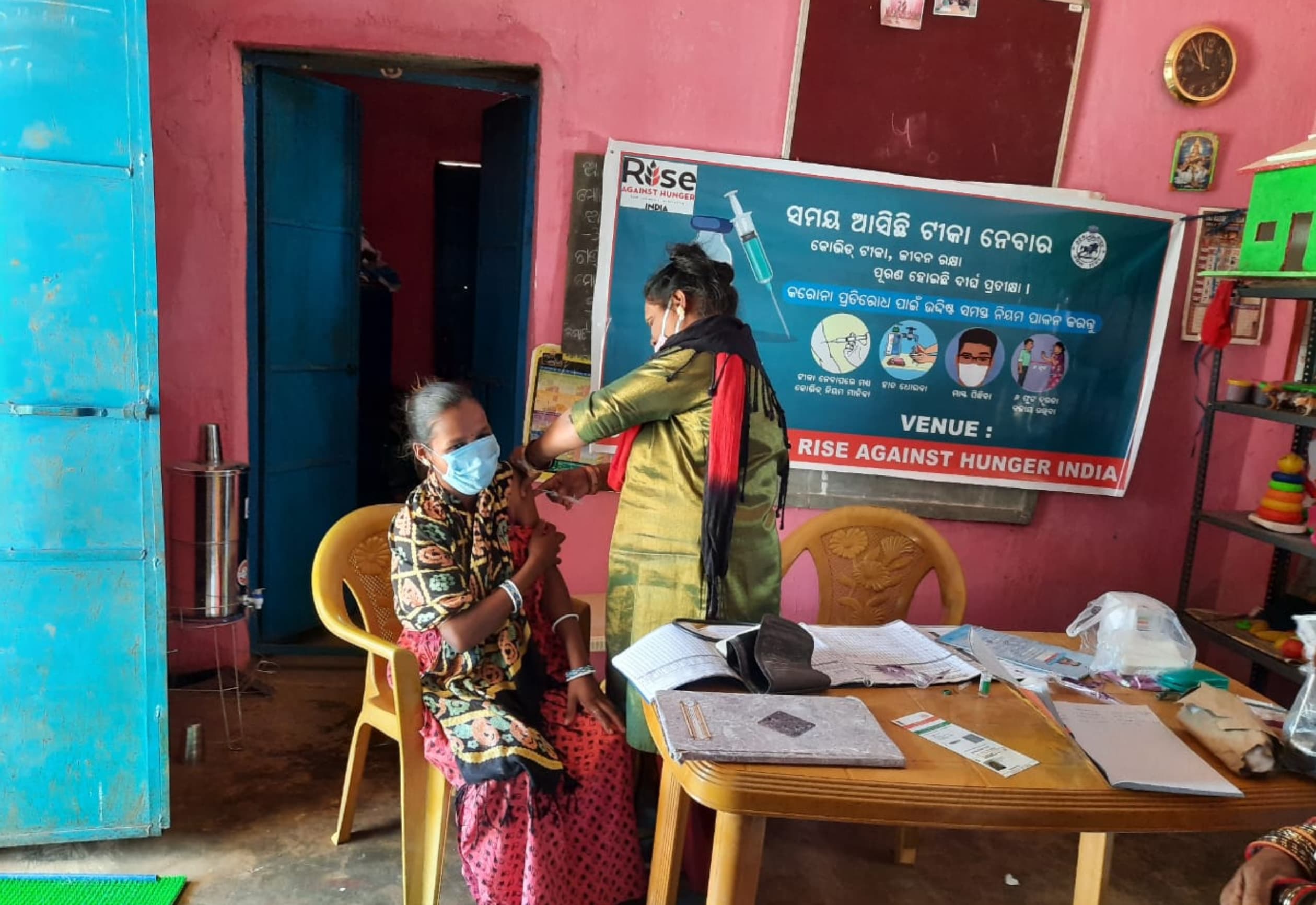
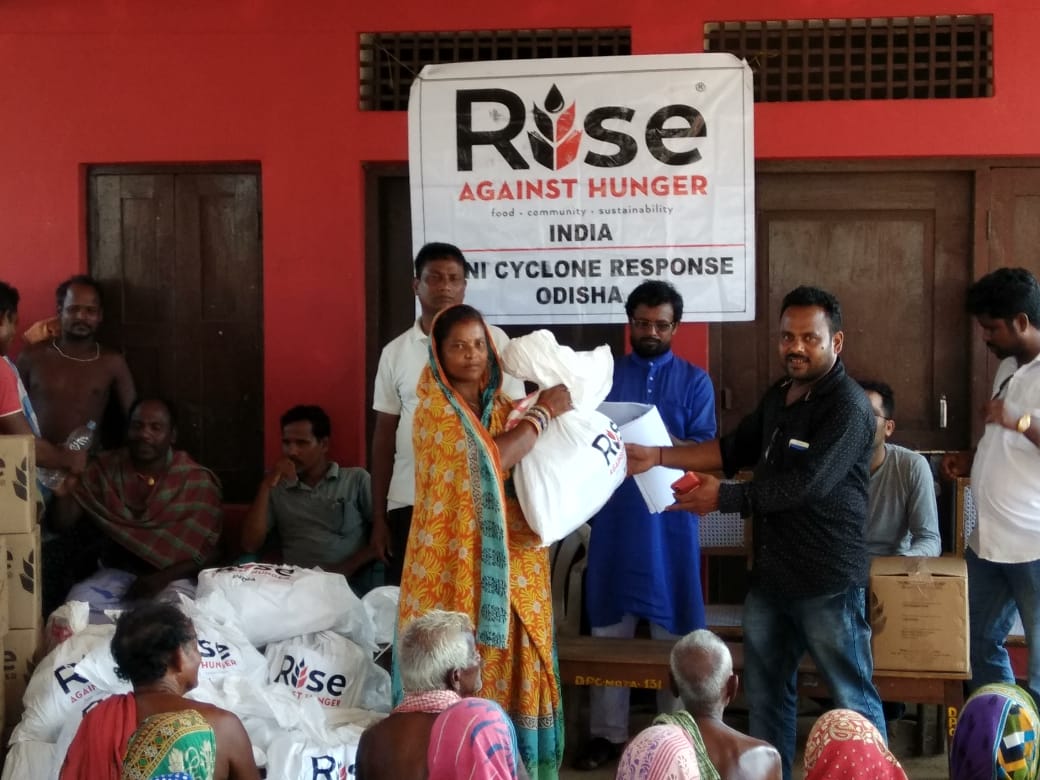
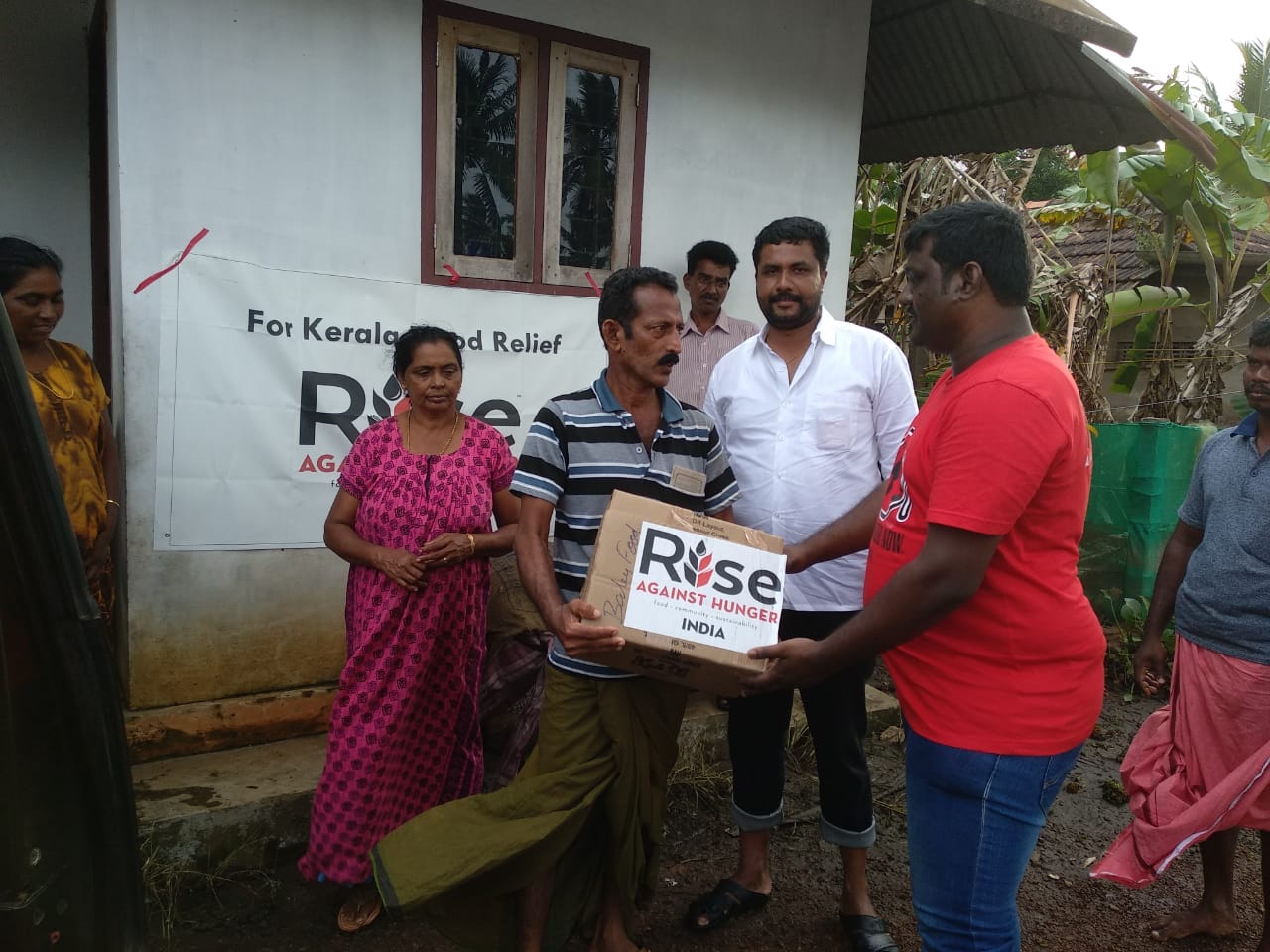
We also provide swift relief during floods, droughts, cyclones, pandemics, and other crises delivering essential support when needed most.
At Rise Against Hunger India, we believe ending hunger is more than feeding people: it is about creating lasting, sustainable change.
A world without hunger
To nourish lives, empower communities, respond to emergencies and build a movement towards ending hunger
We focus on hunger and malnutrition because they are not just about food -
they are about survival, dignity, and opportunity. Here’s how:
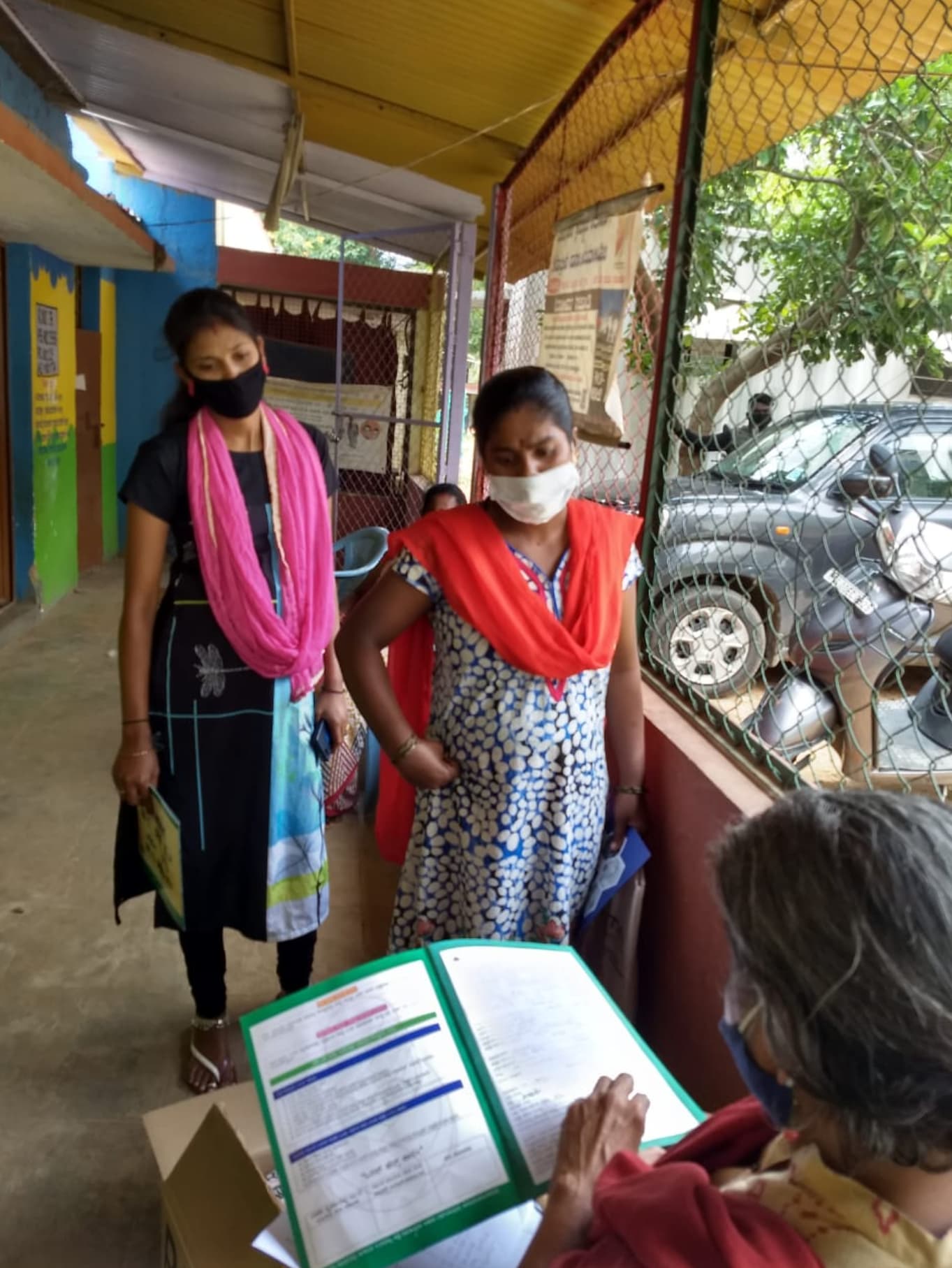
“Almost half of all childhood deaths worldwide occur in children with
malnutrition.”
Malnutrition weakens the immune system, making children more vulnerable to infections
and
diseases. It's not just a health issue - it's a life-or-death crisis.
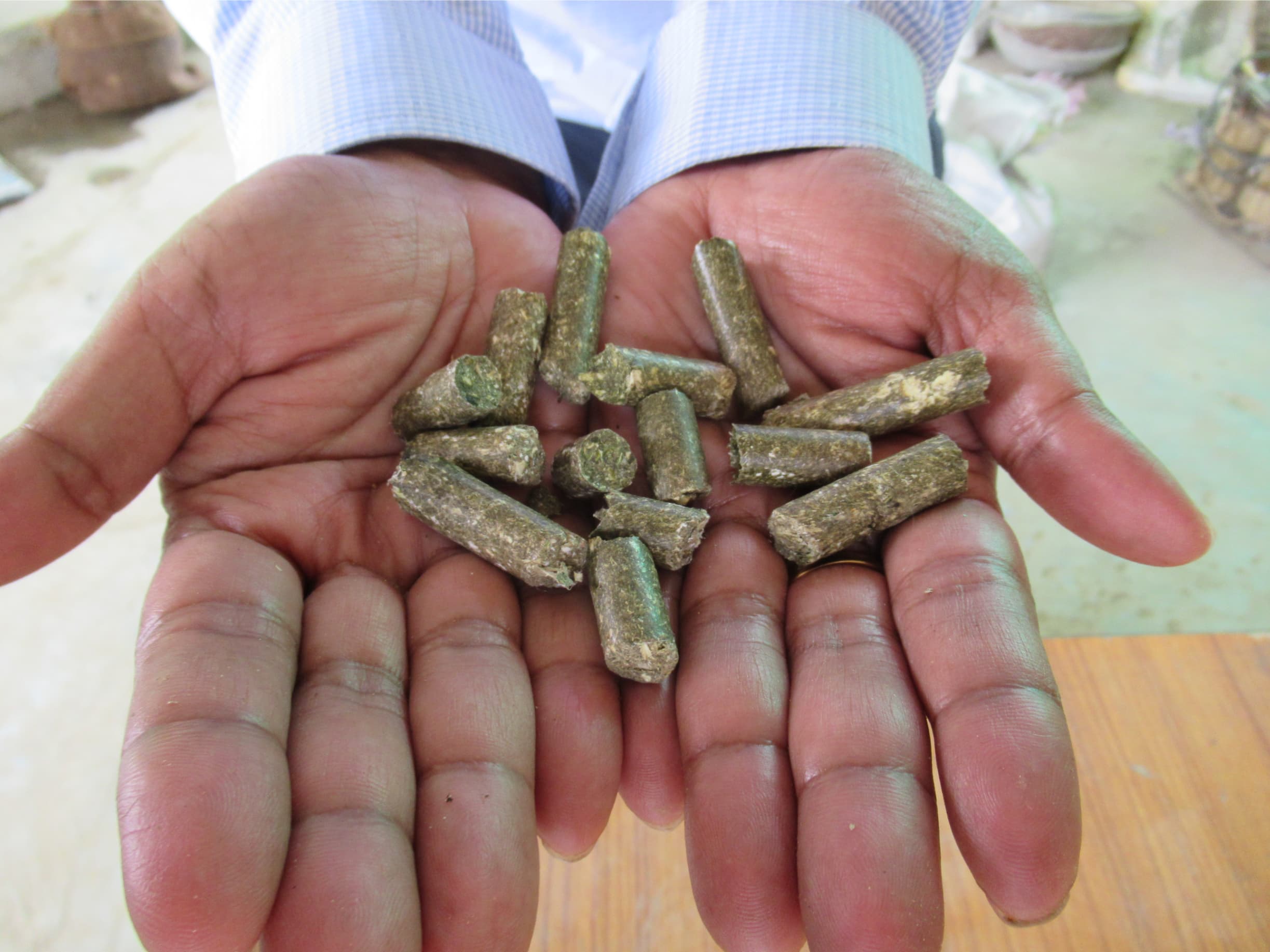
“783 million people globally don't receive enough nutrition to lead an active,
healthy
life.”
Without proper nutrition, people lack the energy and strength to work, earn, and support
their families - trapping them in a cycle of poverty.
“Without the right nutrients, the brain cannot develop properly, affecting learning
and
life
skills.”
Malnourished children struggle to concentrate, learn, and thrive in school - limiting
their
potential before they even begin.
At the heart of our mission is a simple yet powerful idea: provide for today, prepare for tomorrow. Our work is rooted in compassion, driven by data, and shaped by the communities we serve. Here’s how we turn our vision into action:
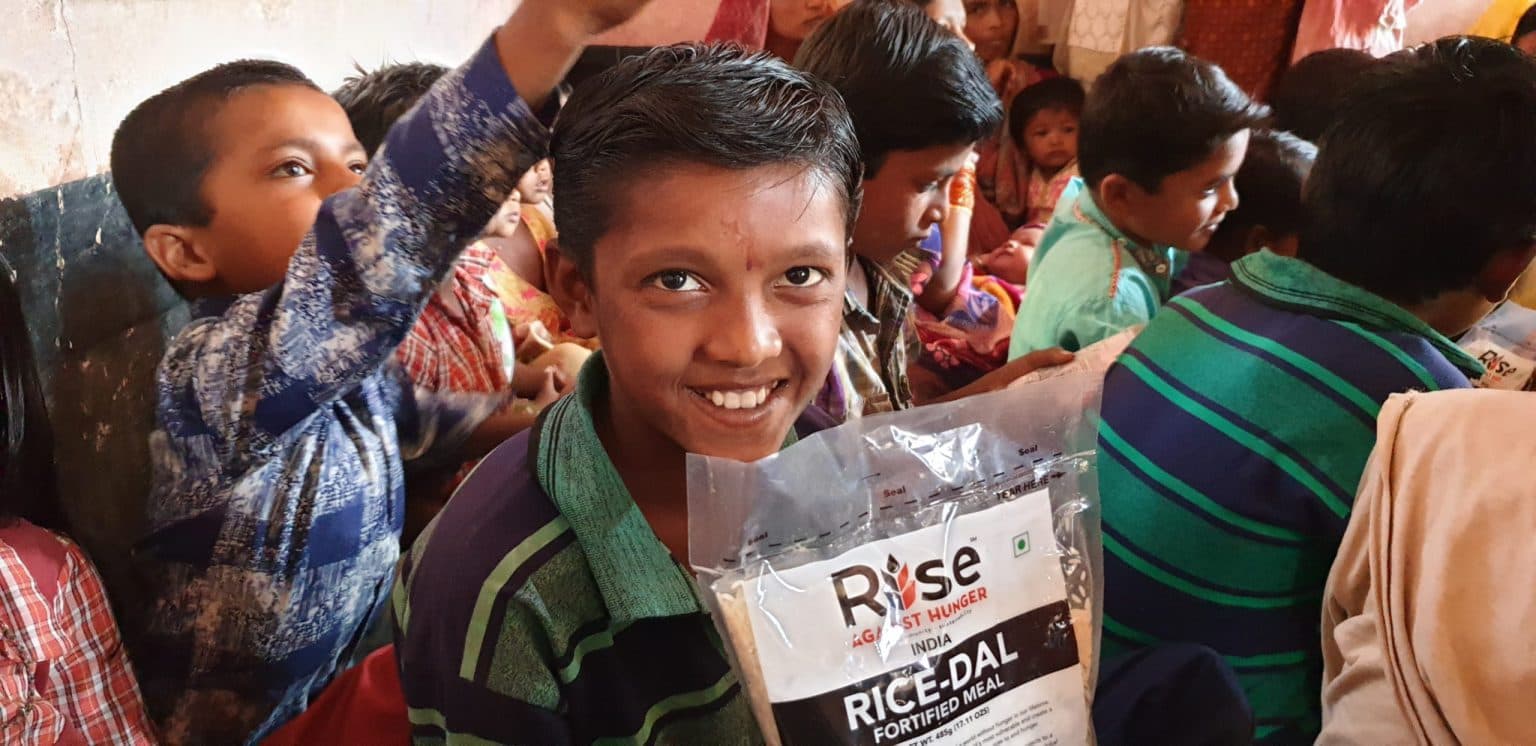
We provide nutrient-rich, dry packaged meals to individuals and families facing hunger. Our approach is tailored to the context:
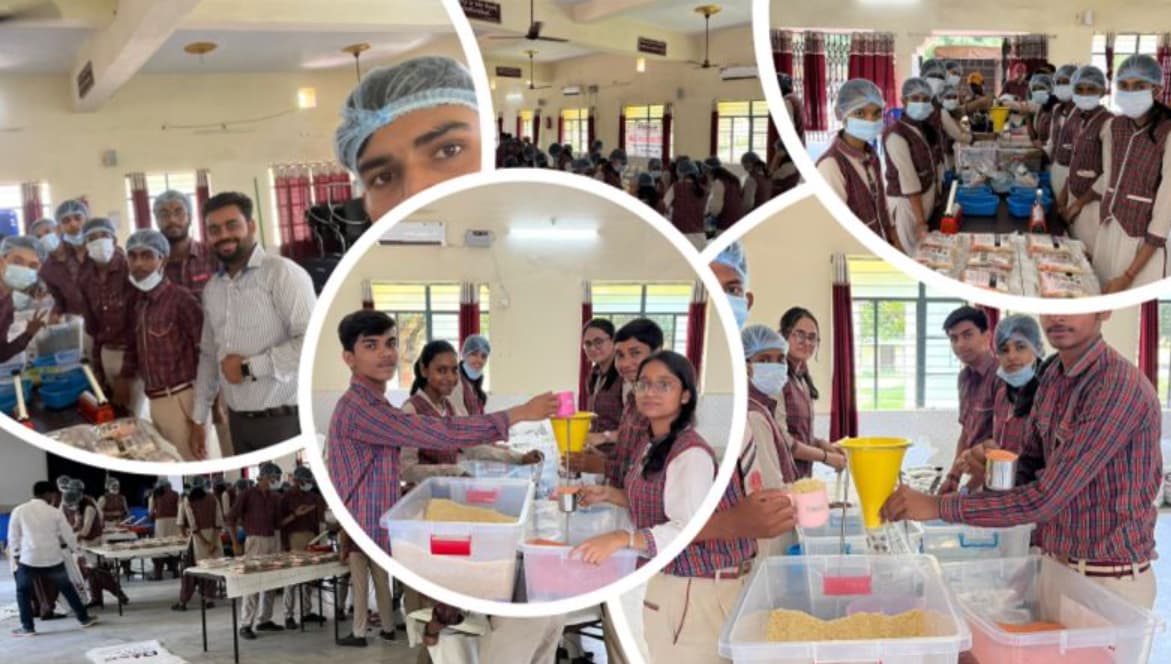
Urban Areas : Meals are packaged through corporate and community volunteering events. We partner with schools, orphanages, elderly care homes, hospitals, and health centers treating patients recovering from TB, cancer, and HIV/AIDS where cooked meals are served to the recipients, (except in some rare cases where dry packets are offered)
Rural Areas : Through our field units and village volunteers, meals serve as a critical safety net for vulnerable groups—elderly persons, pregnant women, people with disabilities, and families without breadwinners.
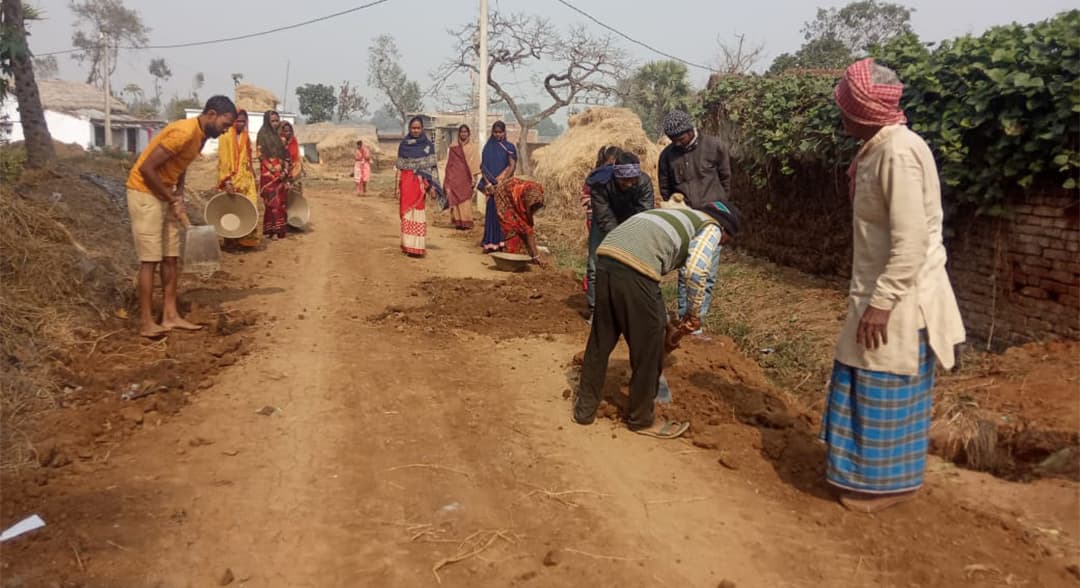
We also support community-led development through our Meals4Development program, where meals are provided to households contributing labor to build shared community assets.
Since 2021, we’ve shifted from working through partner NGOs to directly implementing programs in rural communities. This strategic move allows us to:
Our work is guided by the Hunger-Free Village Charter , which integrates five key domains: Food Security, Health & WASH, Nutrition, Livelihood, and Resilience. Communities track their progress through 12 charter statements and 17 measurable indicators.
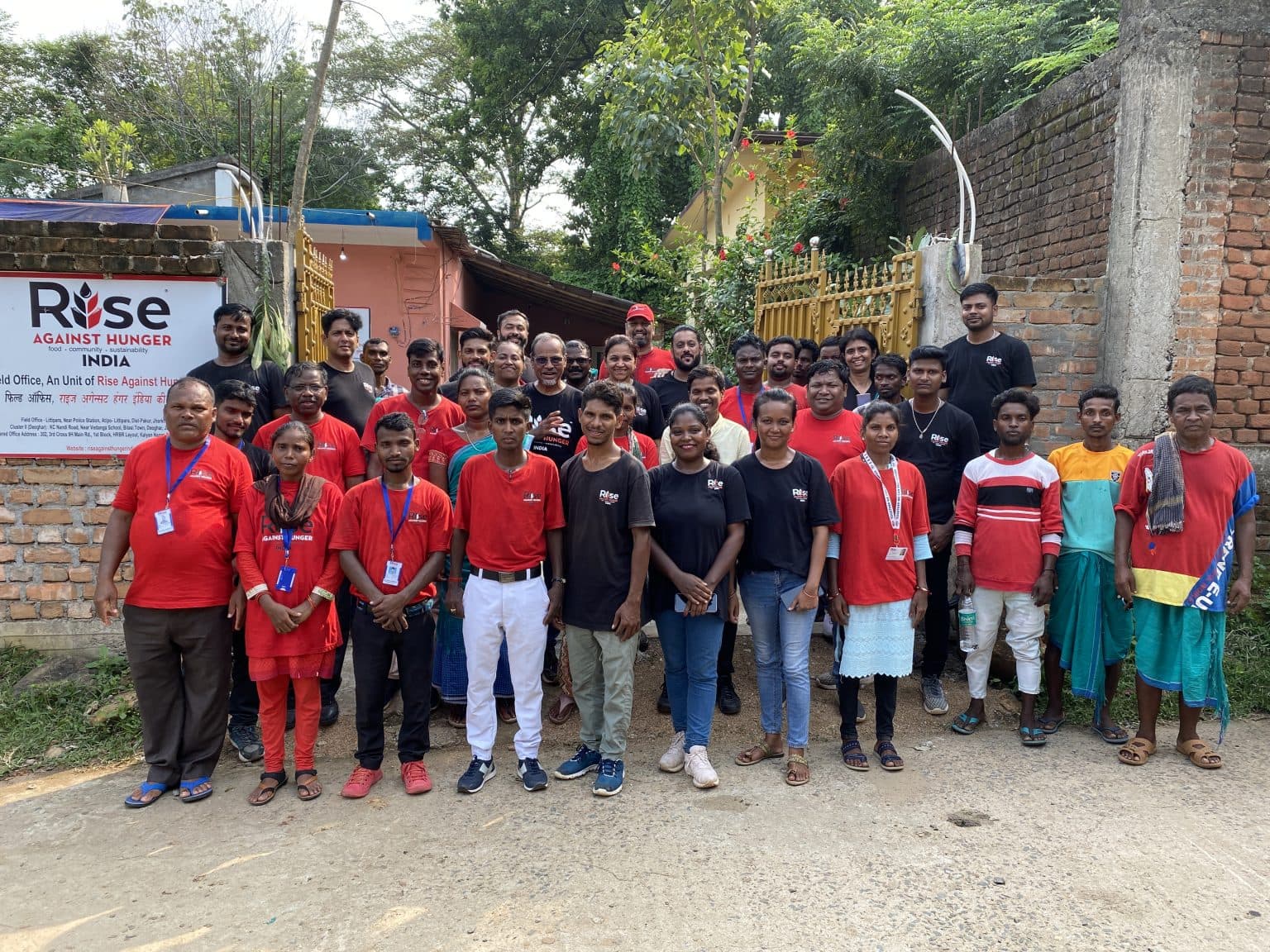
We begin by establishing a household-level food security baseline . Based on this, we co-design interventions to improve each family’s score. Our tracking and reporting system ensures we monitor progress annually and adapt our strategies as needed. Other than the family level tracking of progress, we also measure project specific outcomes through regular monitoring and measurement.
For example, for the maternal and child nutrition project that we are running in 64 communities, regular measurement of height/weight, BMI (body mass index) & Hemoglobin is conducted for mothers and children, and immediate action initiated in case of anomalies. Similarly, for life skill education project, there is a scoring system to track progress of each participant.
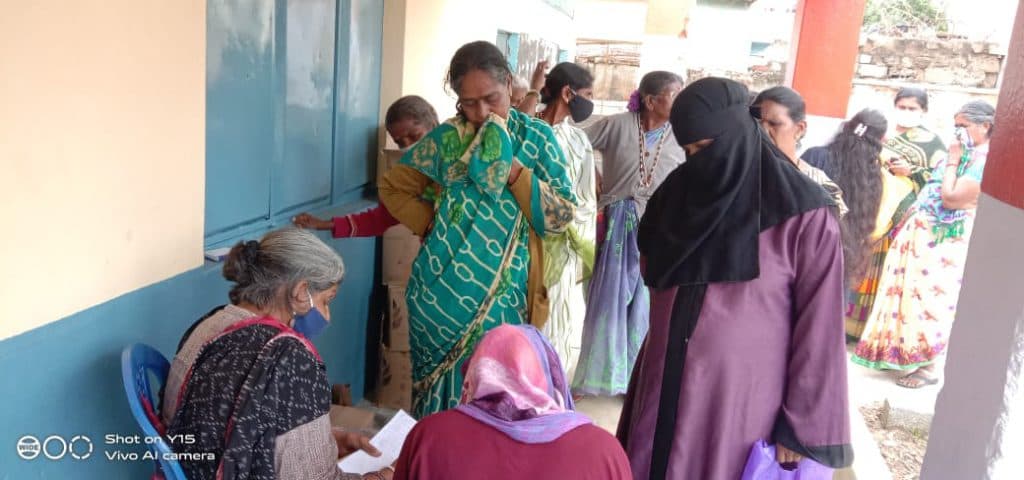
We believe sustainable change comes from within. That’s why we invest in:
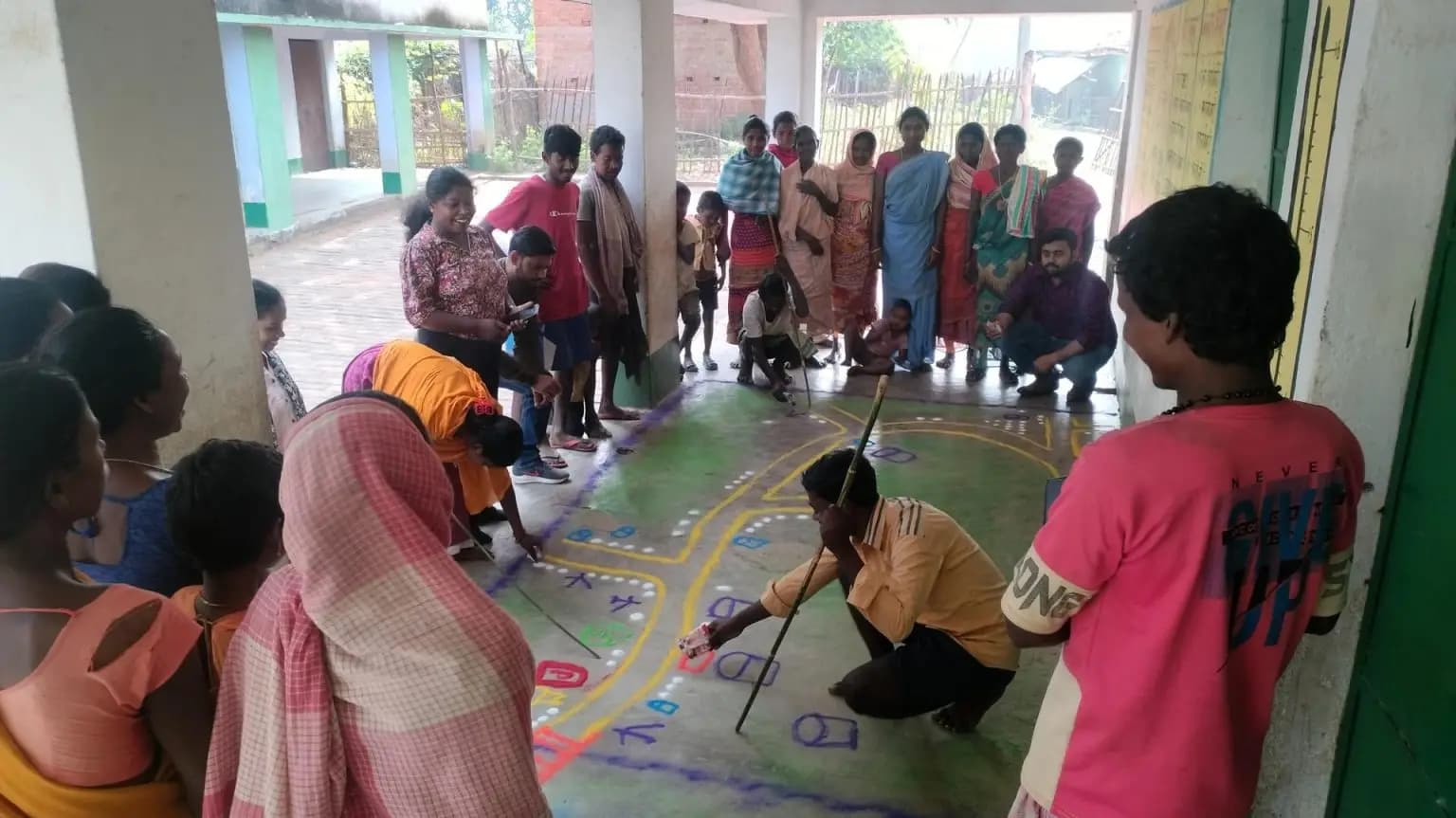
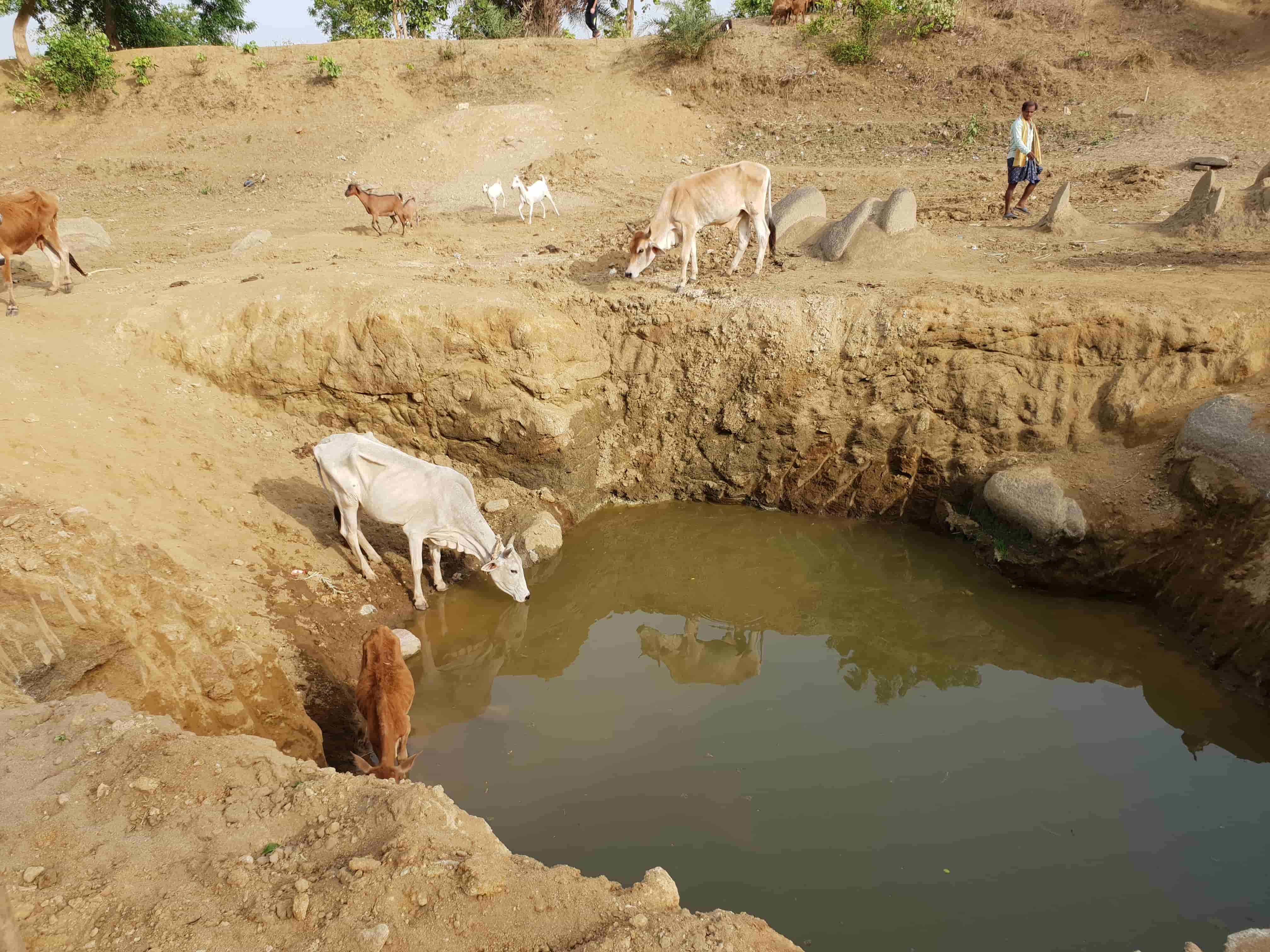
Our field teams guide communities through a six-step process to design local resilience plans. These plans address climate-related challenges that threaten food and livelihood security—ensuring our interventions are future-proof and community-owned.
Farmers and rural producers learn from experts about climate adaptive practices and take measures that range from rom soil and water conservation to forest protection, seed preservation, technology enabled crop diversification and similar practices.
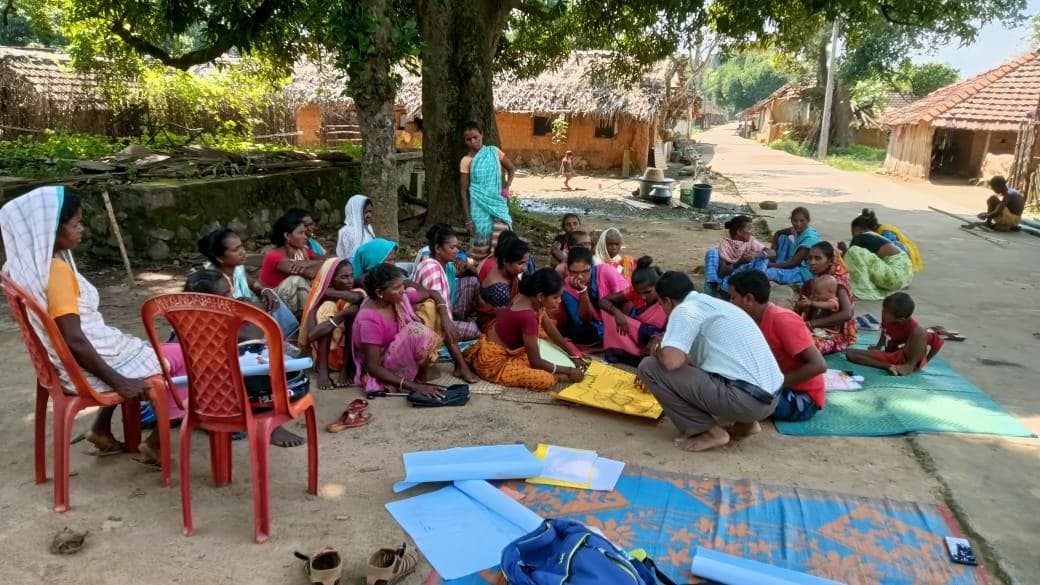
We target two critical “windows of opportunity”:
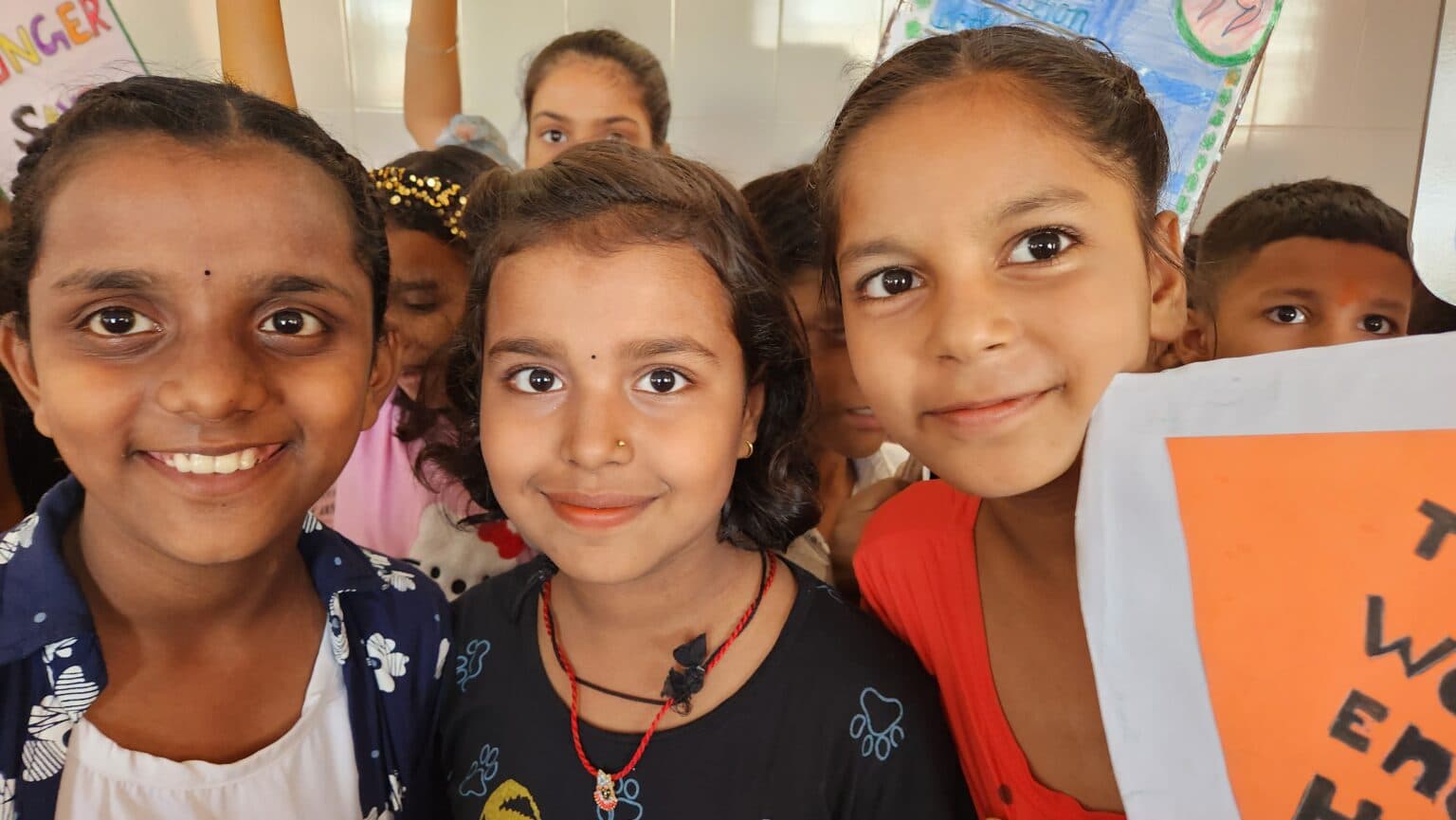
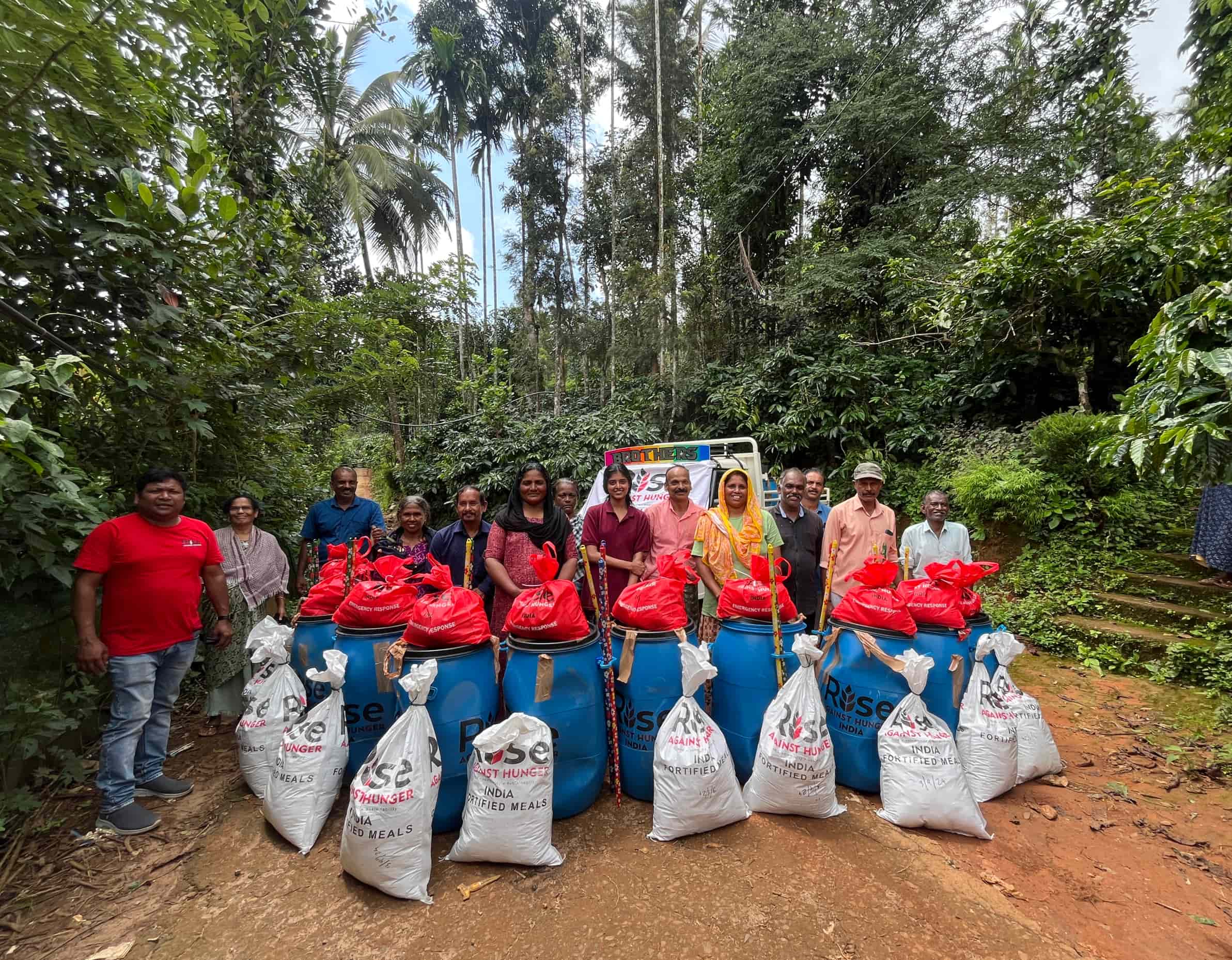
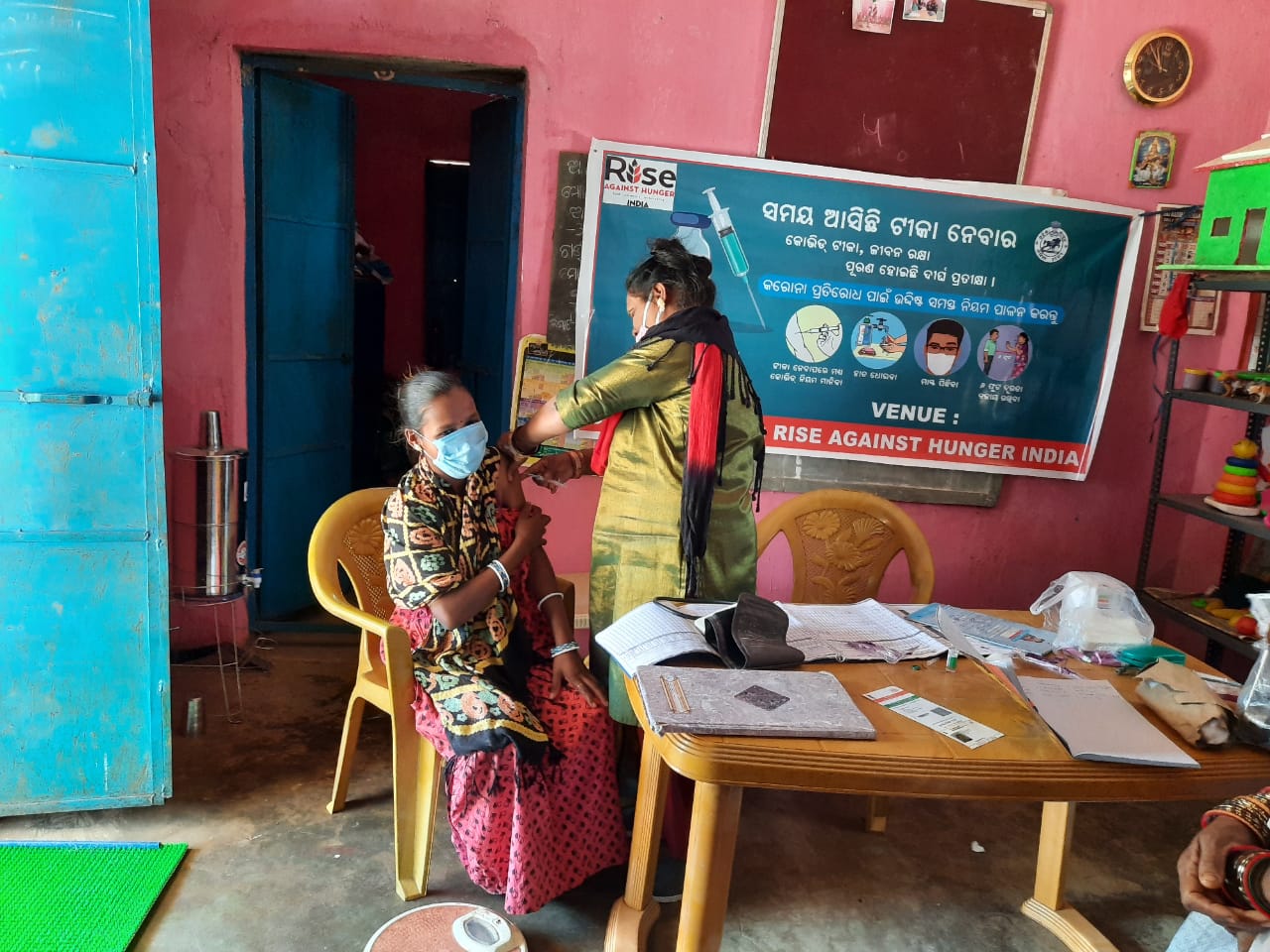
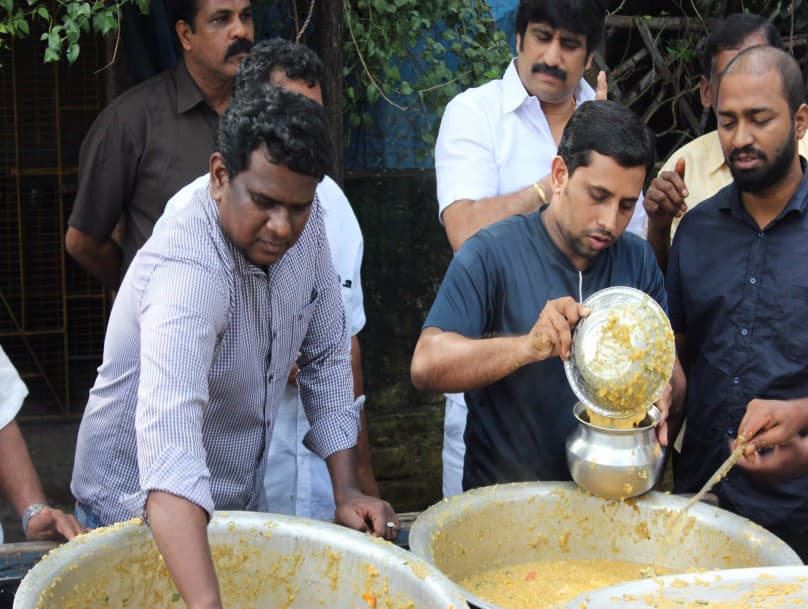
In times of crisis—natural disasters, pandemics, conflicts or local emergencies—we step in with immediate relief and stay through the recovery and rehabilitation phases. Working closely with partners, we provide:
We believe that everyone can be part of the solution. Through our volunteering programs, nutrition education, and awareness campaigns, we empower individuals to become champions of change.
A key initiative is our Nutrition Education Module for students (Grades 6-10), which encourages:
By nurturing conscious consumers, we're planting the seeds of a healthier, more sustainable future
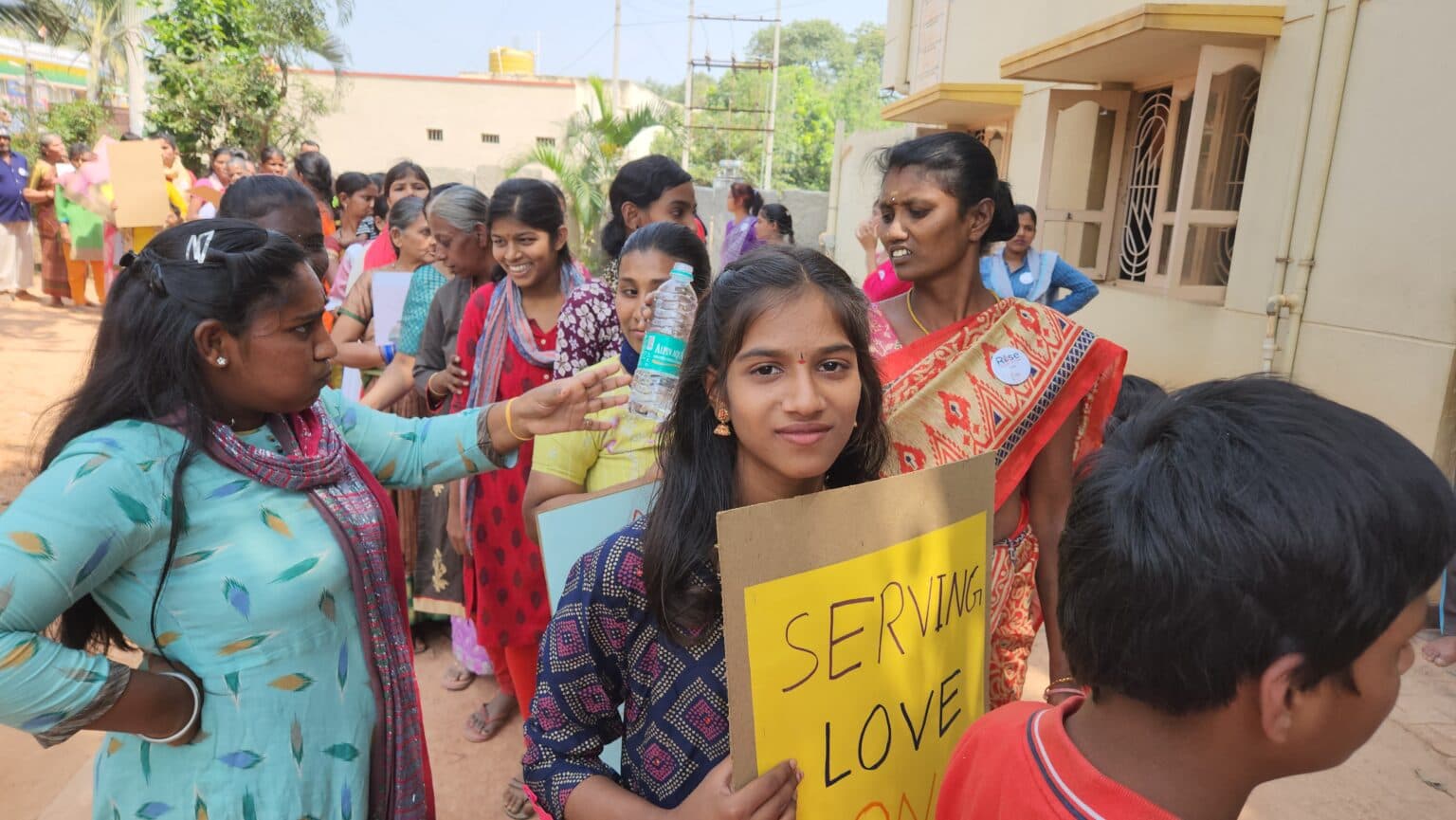
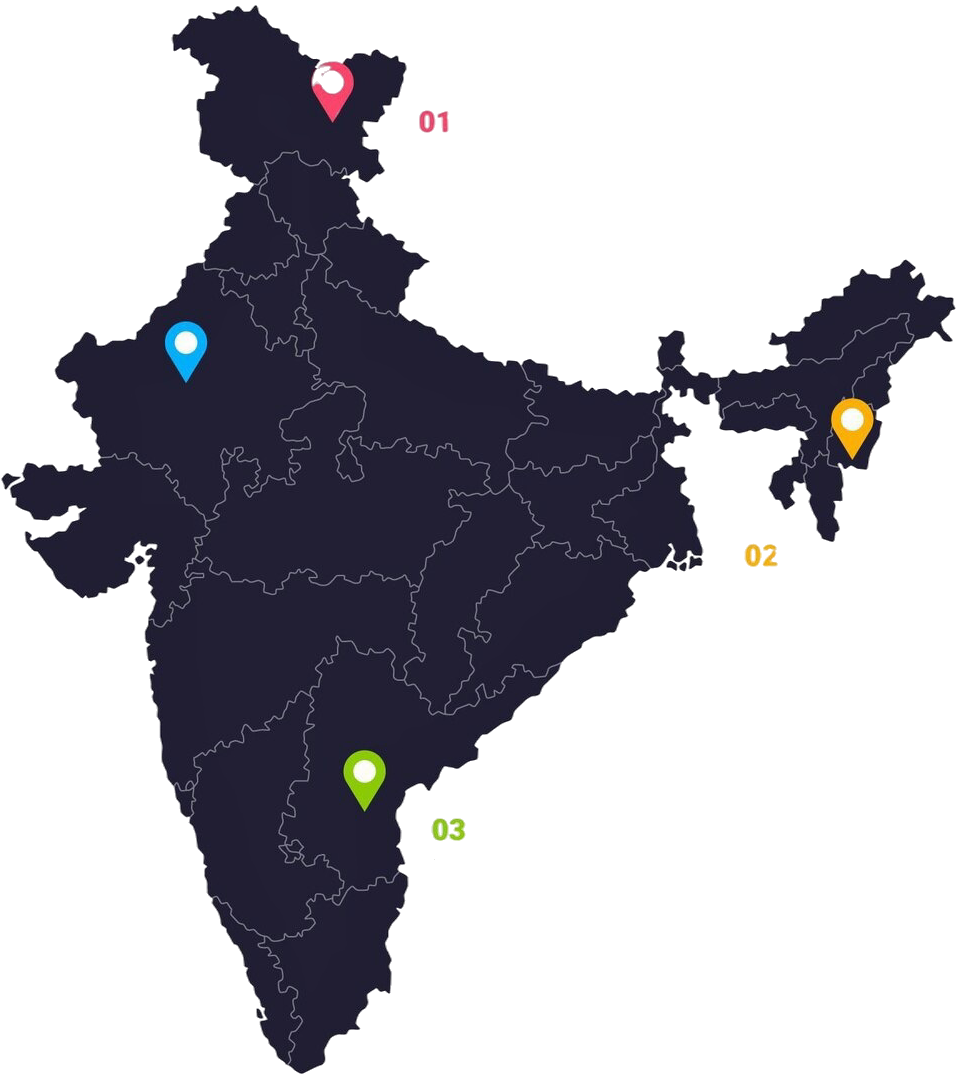
Connecting communities across India through our comprehensive network of NGO partners means fostering impactful collaborations that bridge regional gaps and bring vital resources to underserved areas. By leveraging the strengths of diverse NGOs working at the grassroots level, we ensure that support—be it in education, healthcare, livelihood, or social welfare—reaches those who need it most. This network not only amplifies local efforts but also creates a unified platform for sharing knowledge, coordinating initiatives, and driving sustainable change across urban and rural landscapes. Together, we are building a more inclusive, empowered, and connected India.